How to Export from New Zealand
A complete step-by-step guide to taking your NZ product to international markets — from finding a buyer to delivering your goods.
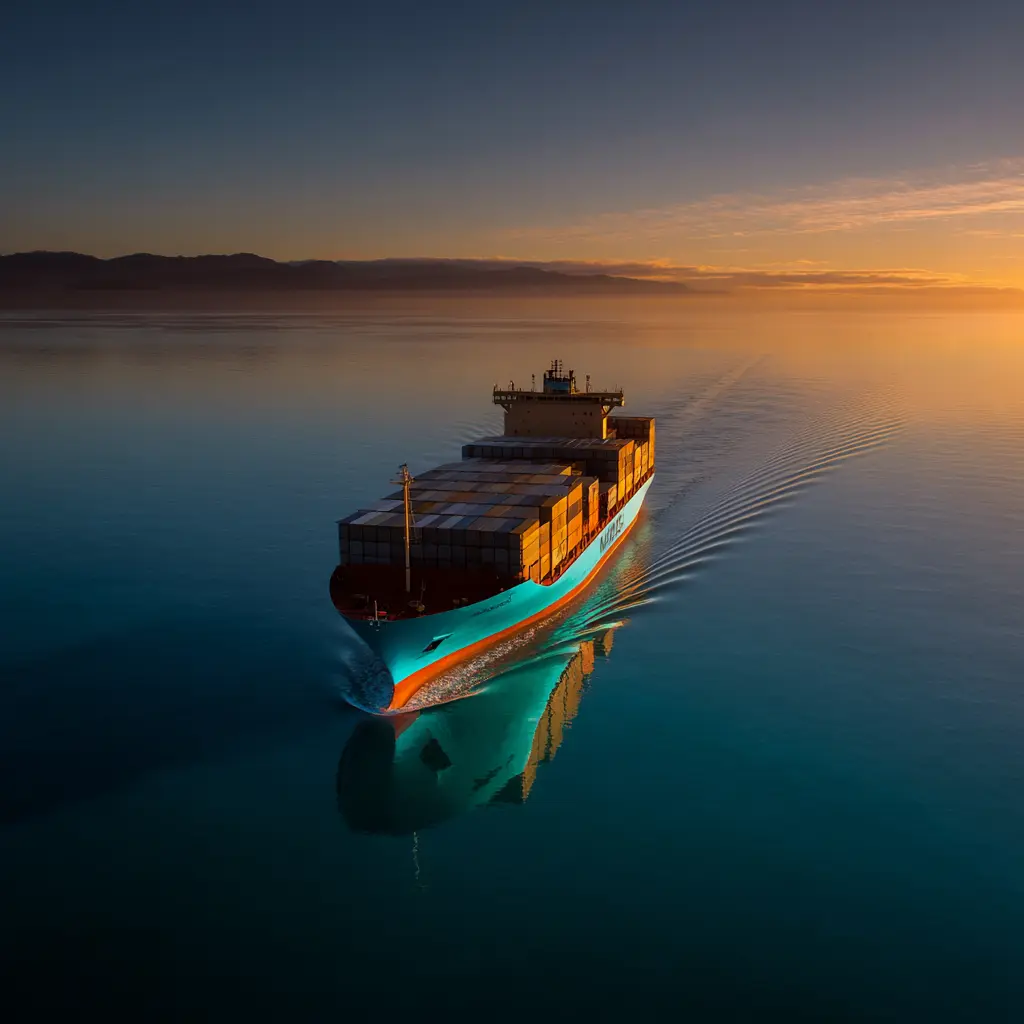
Exporting from New Zealand for the first time can feel overwhelming — but it doesn't have to be. Whether you're a grower who's lost a domestic contract, a producer looking to expand internationally, or a manufacturer ready for global markets, the process follows the same basic journey: find a buyer, prepare your product, handle the paperwork, ship your goods, and get paid.
Your First Export Doesn't Have to Be Stressful
This guide breaks down the entire export process into simple, manageable steps — from understanding your target market to receiving payment. If you want someone to manage the entire journey for you, that's exactly what Libretto does. But this guide gives you the full picture so you know what's involved.
For a detailed reference on every document type, see our comprehensive guide to export documentation from New Zealand .
⚠️ Common First-Timer Mistakes to Avoid:
- ✗ Starting the export process without a confirmed buyer or clear market demand
- ✗ Underestimating the time and cost of MPI registration and certification
- ✗ Using vague product descriptions like "Samples" or "Parts" on invoices
- ✗ Guessing HS codes instead of getting professional classification
- ✗ Not coordinating documentation and freight as one integrated process
- ✗ Forgetting to agree payment terms (LC, TT, open account) with your buyer upfront
The 8-Step Export Journey
From market research to payment — everything you need to know for your first international shipment.
Understand Your Market
🌏 Start Here: Before anything else, understand where you're selling.
What You Need to Do:
- Research which international markets have demand for your product
- Understand the import regulations and certification requirements for your target country
- Check if NZ has a Free Trade Agreement with your destination (this affects tariffs and competitiveness)
- Talk to NZTE, ExportNZ, or your industry association about market opportunities
💡 Pro Tip: Don't try to export everywhere at once. Pick one or two target markets, understand what they need, and focus your effort. Libretto can help you identify the best markets for your product.
Find a Buyer
🤝 Critical: You need a confirmed buyer before you invest in documentation and logistics.
Your Options:
- Use your own network — trade shows, industry contacts, existing relationships
- Work with NZTE, who maintain an international network and can make introductions
- Engage an export services partner like Libretto who sources verified importers matched to your product
- List on online B2B marketplaces (Alibaba, TradeKey) — lower quality leads but high volume
💡 Pro Tip: Many NZ growers have great product but no international buyer. Libretto sources verified importers for your product across Asia, the Middle East, Europe, and North America. Our transparent commission model means you see the importer's price and our margin.
Register & Get Certified
🏛️ For Food & Primary Products: MPI registration is required before you can export.
What You May Need:
- Register as an exporter with MPI if you're exporting food, animal, or plant products
- Get your processing facility approved under the relevant programme (RMP, HACCP, etc.)
- Understand the specific certification your destination market requires (health certs, phytosanitary certs)
- Note: MPI is replacing E-cert, ePhyto, and legacy systems with MPI Trade Certification through 2026
⚠️ Important: MPI registration can take weeks. Start this process as early as possible — don't wait until you have a buyer and a ship date.
Classify Your Product (HS Codes)
📋 Essential: Your HS code determines duties, restrictions, and required documentation.
What You Need to Do:
- Get the correct HS Code (Harmonised System Code) for each product you're exporting
- This 6-10 digit code determines import duties, restrictions, and required documentation
- Using the wrong code can result in fines, delays, or shipment rejection
💡 Pro Tip: Don't guess! Even experienced exporters get HS codes wrong. Professional classification costs $25 and can save you thousands in incorrect duties.
Prepare Your Export Documentation
📄 Core Paperwork: The documents your shipment needs to clear customs.
Documents You'll Typically Need:
- Commercial Invoice — detailed product descriptions, HS codes, values, Incoterms
- Packing List — weights, dimensions, number of packages, container numbers
- Certificate of Origin — if required by destination country or to claim FTA tariff benefits
- MPI Health/Phytosanitary Certificates — if exporting food, animal, or plant products
- Depending on your product: Dangerous Goods declarations, Consular Legalisation, or Letter of Credit documentation
💡 Pro Tip: 60–80% of Letter of Credit document sets are rejected on first bank presentation (ICC data). If your buyer is paying by LC, get your documents professionally prepared or reviewed. A single discrepancy can block payment.
For a complete reference of every document type, see our comprehensive guide to export documentation from New Zealand .
View Documentation ServicesAgree Payment Terms
💰 Before You Ship: Agree how and when you'll get paid.
Common Payment Methods:
- Advance Payment (TT) — buyer pays before shipment. Lowest risk for you, but buyers may resist
- Letter of Credit (LC) — bank guarantees payment if documents comply. Common for first-time trade relationships
- Documents Against Payment (D/P) — buyer pays when documents are presented through their bank
- Open Account — buyer pays after receiving goods. Highest risk for you, common with trusted long-term buyers
💡 Pro Tip: For first-time export relationships, Letter of Credit is the safest option for both parties. We prepare LC-compliant document sets that pass bank scrutiny on first presentation.
Coordinate Freight & Logistics
🚢 Ship It: Get your goods from NZ to your buyer's port.
What Needs to Happen:
- Book cargo space — sea freight (FCL or LCL) or air freight depending on product and urgency
- Arrange container packing, cold chain management (if perishable), and port delivery
- Issue the Bill of Lading — this is your title document for the goods
- Coordinate customs clearance in NZ (export declaration) and at the destination
- Arrange cargo insurance — typically 0.5–1% of shipment value
💡 Pro Tip: Documentation and logistics need to be coordinated as one integrated process. When your freight forwarder and your documentation provider aren't talking to each other, errors happen. Libretto manages both so nothing falls through the cracks.
Ship & Get Paid
✅ The Finish Line: Your goods depart and payment is received.
Final Steps:
- Final compliance check — review all documents one last time before departure
- Submit documents to your buyer's bank (if LC) or directly to your buyer (if TT/open account)
- Track your shipment and confirm arrival at destination
- Ensure customs clearance at the destination port proceeds smoothly
- Receive payment per agreed terms
💡 Pro Tip: Your first shipment is the hardest. Once you've done it once, subsequent exports follow the same process but take a fraction of the time. Many exporters go from 4 weeks for their first shipment to 5–7 days for routine ones.
📅 Typical Timeline for First Export
Market research, find a buyer, start MPI registration (if needed)
Classify products (HS codes), agree payment terms, prepare documentation
Book freight, receive certified documents, coordinate logistics
Final compliance check, shipment departs, submit documents for payment
⚠️ Allow 4-6 weeks for your first export. Once you're familiar with the process, you can reduce this to 5–7 days.
Common First-Timer Questions
Do I need to register as an exporter with NZ Customs?
How much does documentation cost for a first shipment?
For end-to-end export management including buyer sourcing and logistics coordination, we offer custom retainer packages. Book a discovery call for a quote specific to your product and destination.
Can I prepare documents myself?
Many first-time exporters find it easier to work with an end-to-end export services partner who handles buyer sourcing, documentation, and logistics as one integrated process.
What happens if my documents have errors?
Major errors: Your shipment can be held, rejected, or destroyed. You may face fines, duty reassessments, and your buyer's customs broker will charge amendment fees ($100-500).
This is why we recommend a Pre-Shipment Compliance Check for your first few exports.
Do I need export insurance?
How do I find an international buyer for my product?
What does Libretto charge for export services?
Still Unsure? We're Here to Help.
Book a free 30-minute discovery call. Whether you're a grower who needs a buyer, a producer ready to ship, or just exploring the idea of exporting — we'll map out your entire export journey and give you a clear next step.
Or call us at 021 025 15316